CERAMIC TESTING LABORATORY
Evidence for
the way it is used.
In-house physical testing helps evaluate porcelain performance against the agreed product brief and test plan.

WHAT YOUR BUYING TEAM NEEDS TO KNOW
Start with the use.
Define the test.
01
Use conditions
Define how the item will be filled, washed, handled and transported, including any specific performance claims.
02
Test selection
Choose relevant checks from the documented capabilities rather than assuming every test applies to every design.
03
Report scope
Identify the product revision, method, conditions and acceptance criteria behind each result.
01 / PHYSICAL PERFORMANCE
Small details.
Real use conditions.
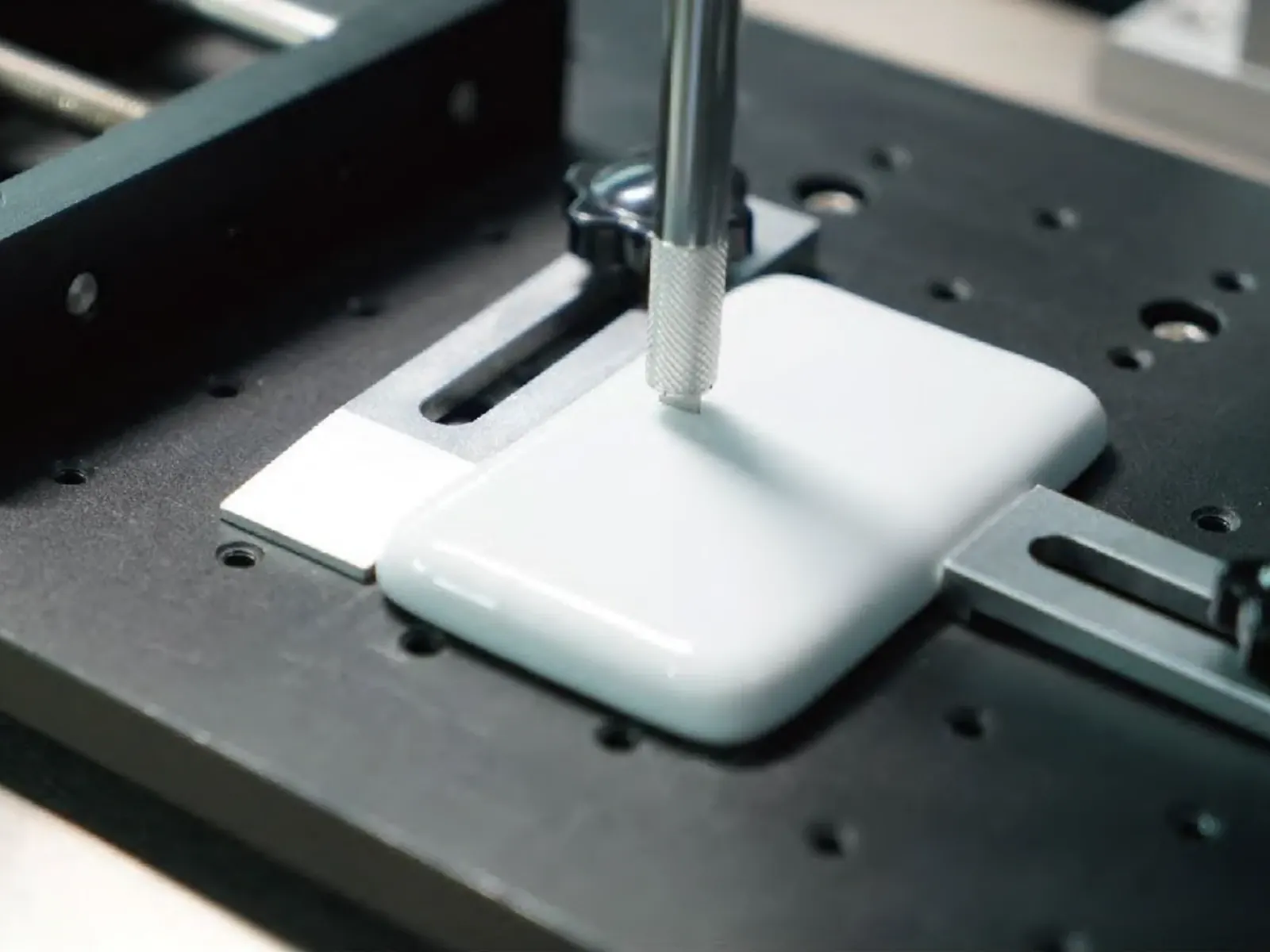
The 2024 laboratory overview includes body and handle strength, thermal shock, water absorption, scratching and decoration abrasion tests. These address different aspects of the finished product.
A relief mug, café cup and lidded character vessel may need different evaluation priorities. Start with the product’s intended use and the risks associated with its structure.
02 / HEAT & CLEANING
Define the claim
before the test.
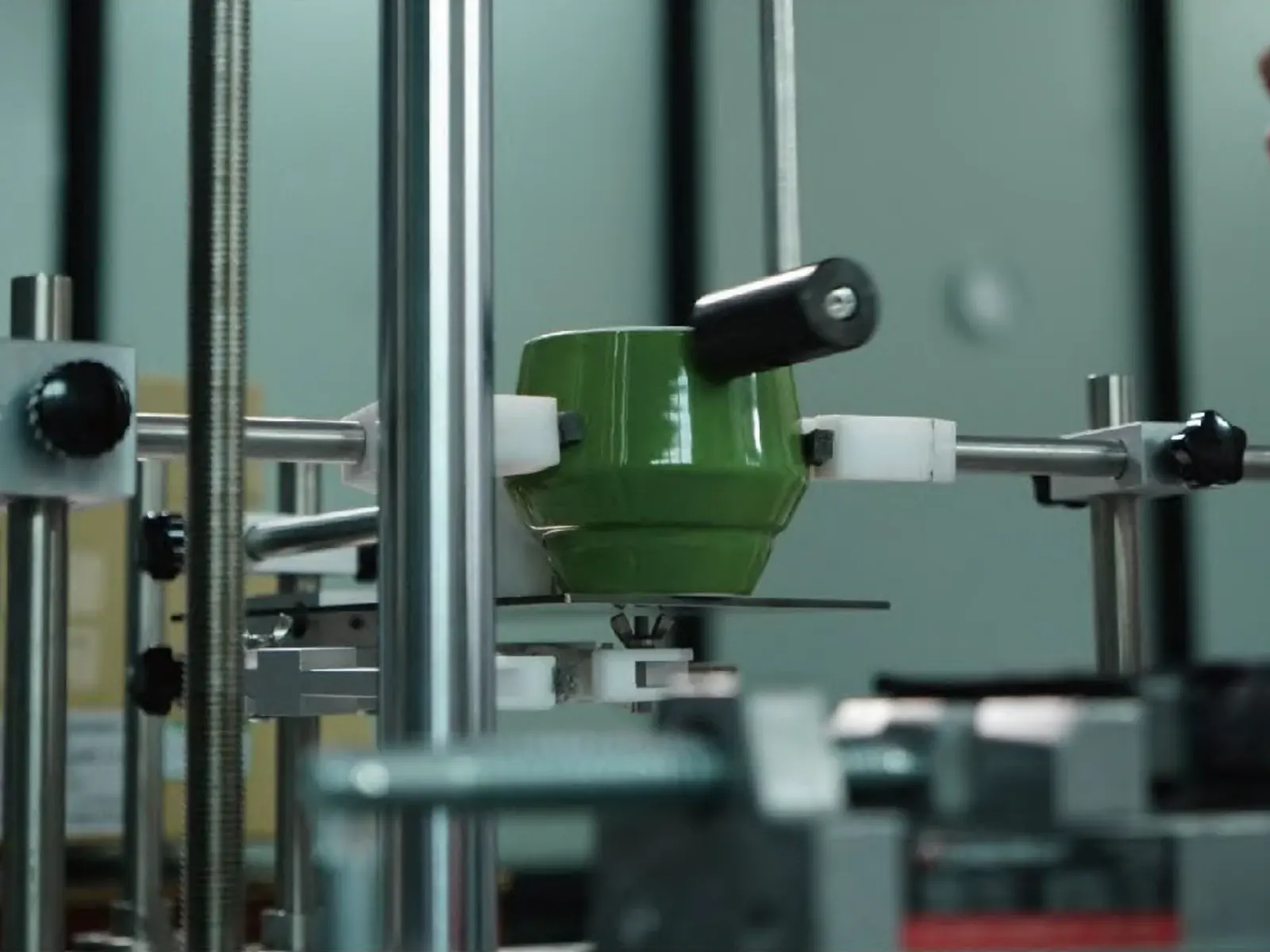
Microwave, dishwasher and surface-temperature checks appear in the factory profile. Whether a specific item can carry a use claim depends on its material, decoration, construction and relevant test results.
Confirm the sample to be tested and the test conditions. A result for one finish or product should not automatically be applied to an entire collection.
BUYER’S WORKING CHECKLIST
A brief with fewer unknowns.
| Decision | What to define | Why it matters |
|---|---|---|
| Sample identity | Product code, revision, finish and component set | Connects the report with the product being purchased. |
| Method | Test procedure, duration and conditions | Makes the result interpretable. |
| Acceptance | Pass criteria and intended product claim | Links testing with a defined decision. |
| Market | Destination and applicable product requirements | Identifies where external evidence may be needed. |
| Changes | Material, glaze, decoration or structure revisions | Helps determine whether review or retesting is needed. |
FROM REVIEW TO RELEASE
A clear route to approval.
01
Scope
List the product claims and intended use conditions.
02
Select
Agree the sample configuration and relevant test methods.
03
Evaluate
Review results against the agreed acceptance criteria.
04
Document
Keep the report associated with the approved product revision.
03 / LABORATORY & PRODUCTION
Testing connected
to development.
An in-house laboratory gives the development team a way to investigate physical performance during product refinement. It also supports a clearer discussion between engineering, quality and purchasing.
For statutory requirements or buyer-mandated third-party reports, agree the external laboratory and test scope separately.
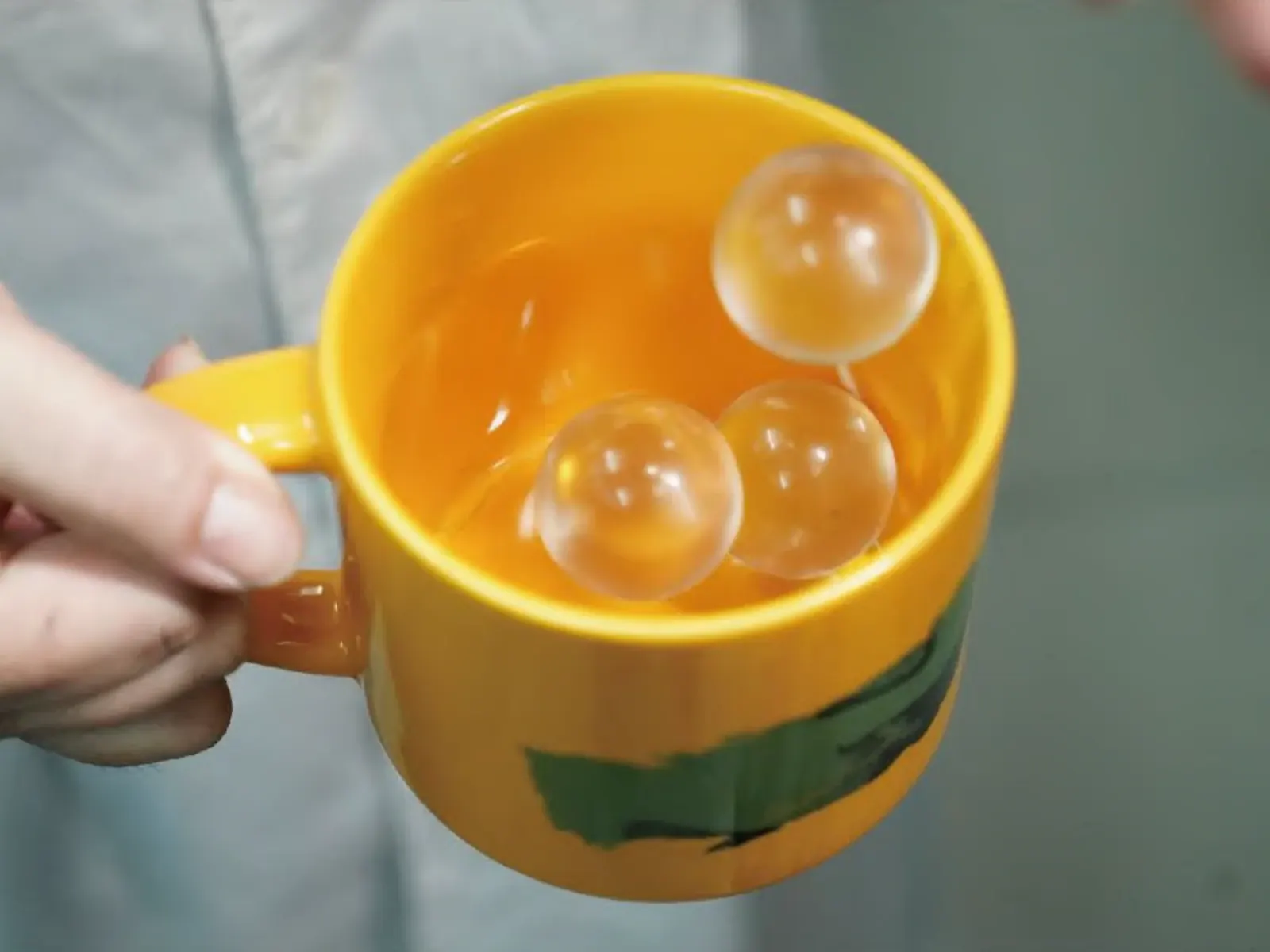
LABORATORY CLOSE-UPS
Different tests. Different questions.
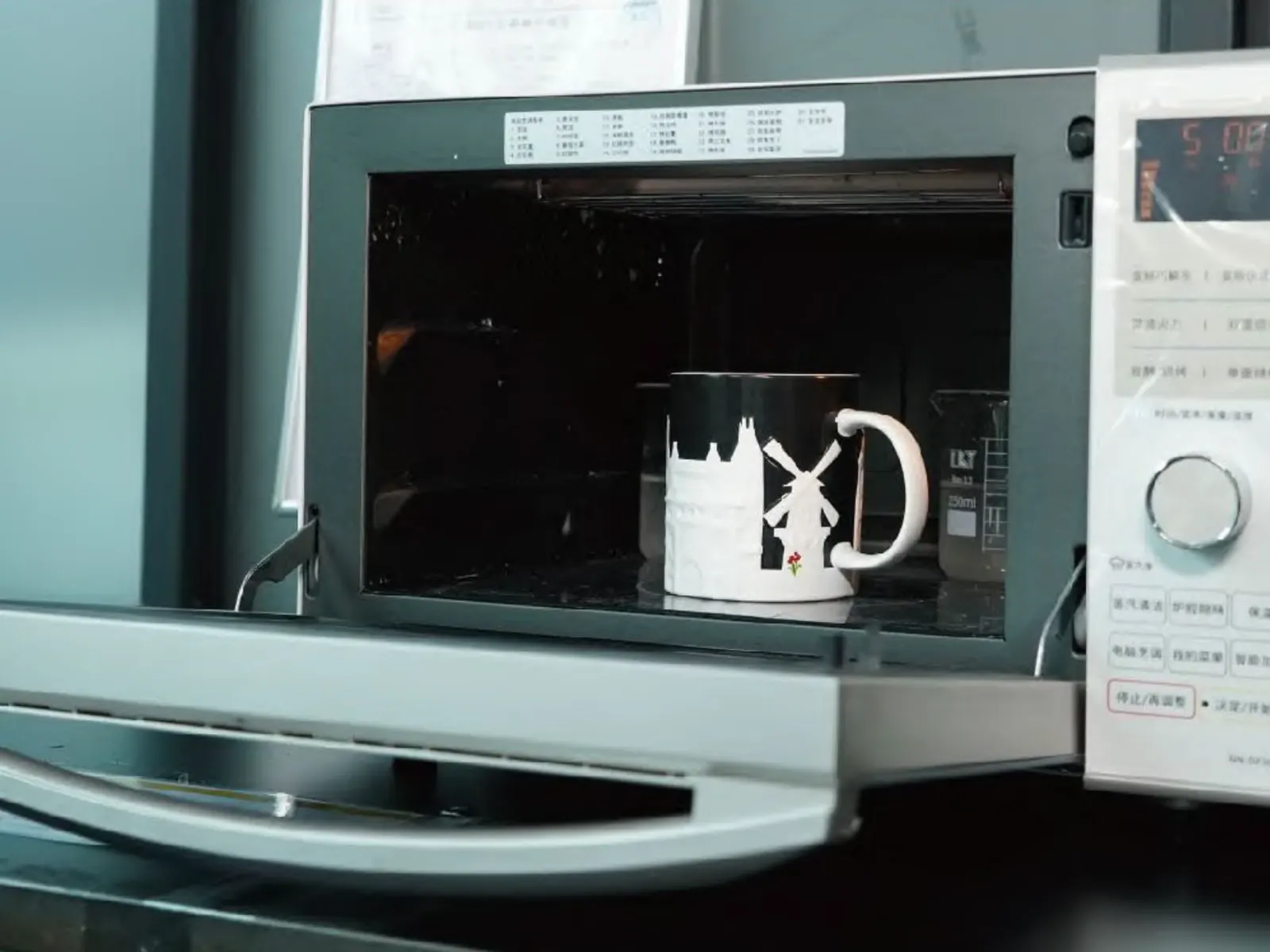
Microwave evaluation
Evaluate the defined product and decoration under agreed conditions before making a use claim.
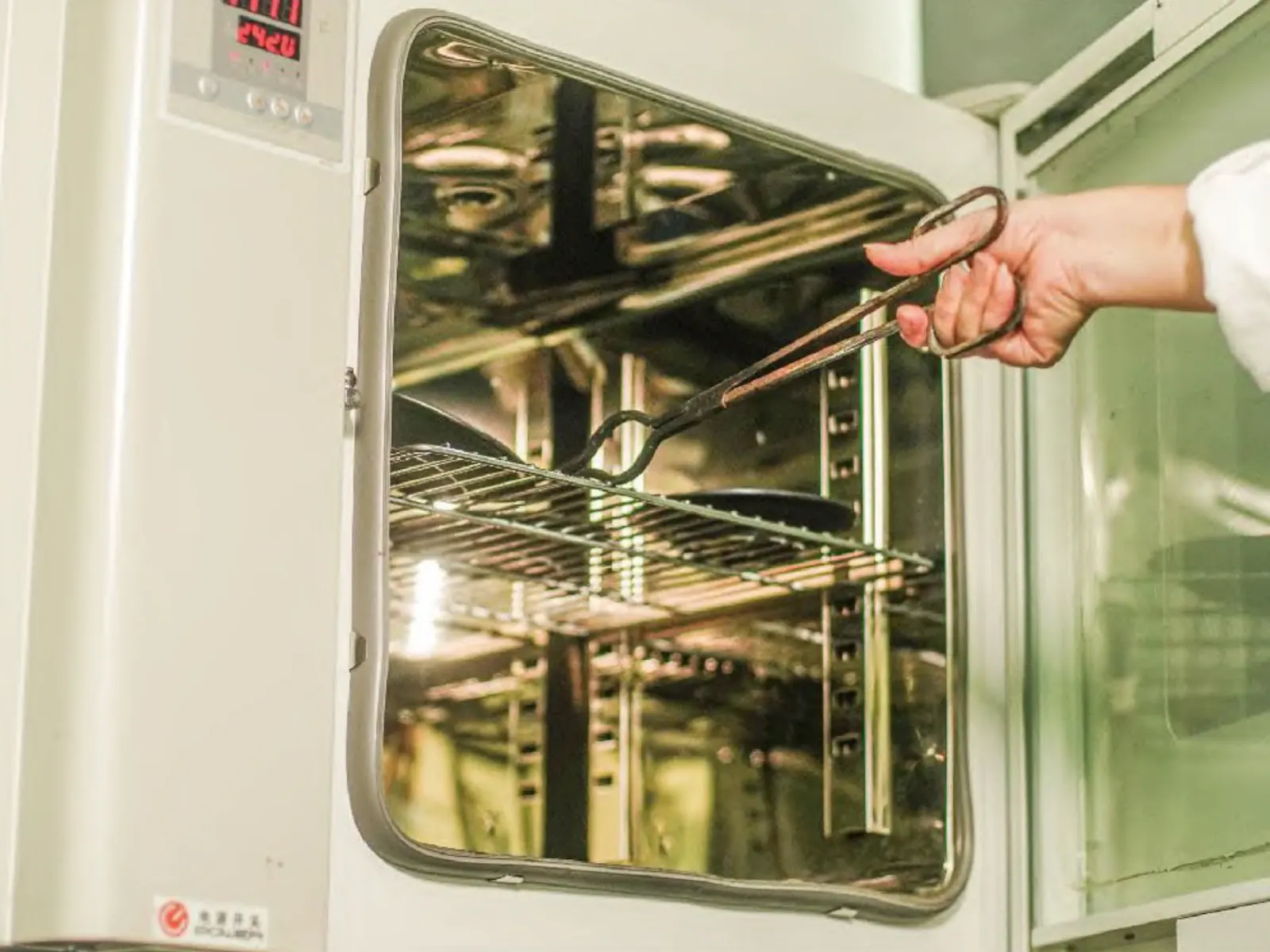
Thermal shock
Review the product’s response to the specified temperature change and acceptance requirements.
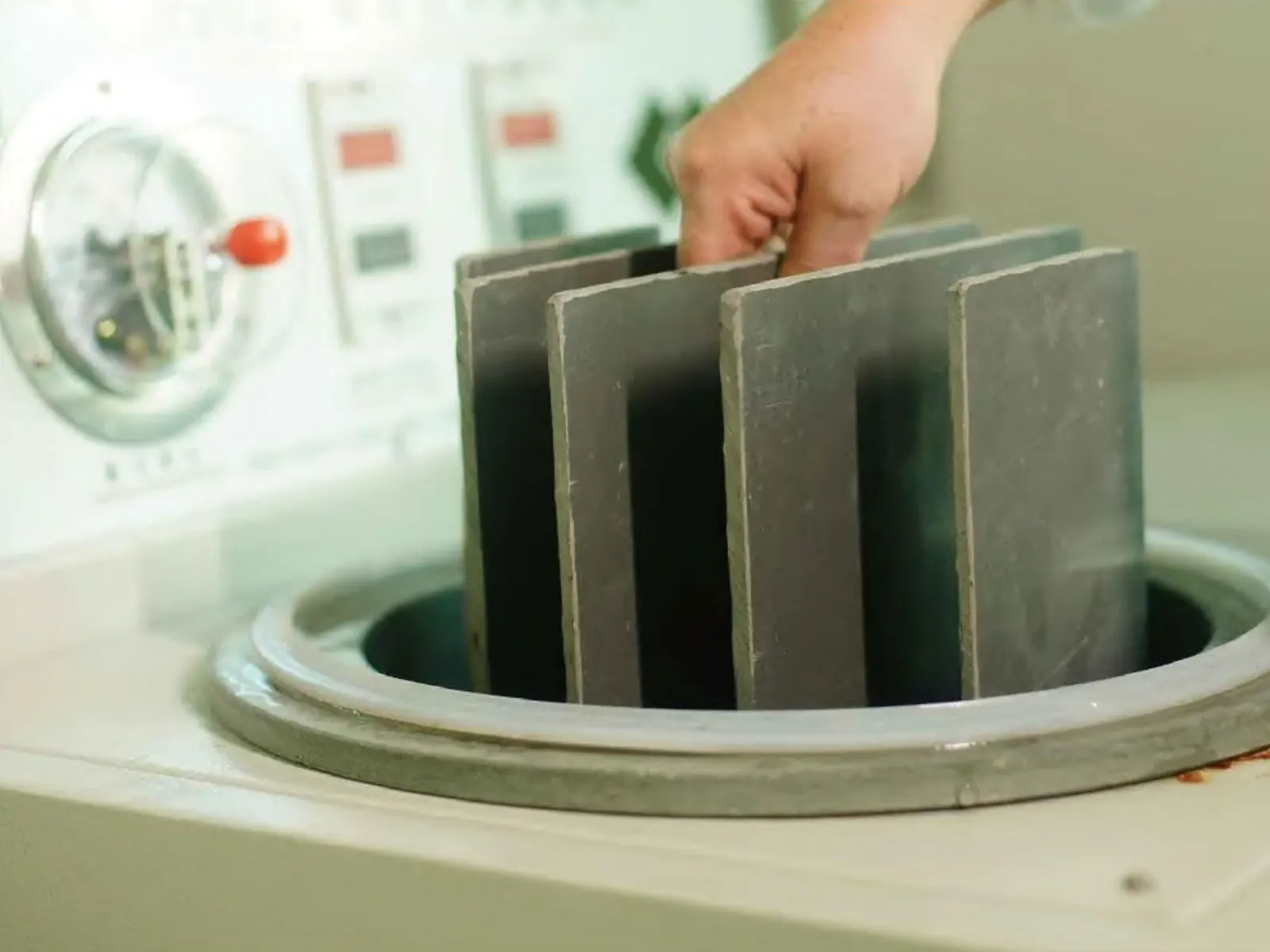
Water absorption
Connect the test method and result with the ceramic body and product specification.
PROCUREMENT QUESTIONS
The details worth asking.
Is every product microwave and dishwasher safe?
No universal claim is made. Suitability depends on the exact product and decoration, with claims supported by the relevant testing.
Are in-house reports third-party certification?
No. They document the in-house evaluation. Where an independent report is required, specify the laboratory and applicable requirements.
Can you test a new special structure?
Send the design and use conditions. The team can review which physical checks are relevant and what must be resolved through sampling.
What should we request with a test result?
Ask for sample identity, method, conditions, date and acceptance criteria so the result can be linked to the item you intend to purchase.
CONTINUE YOUR EVALUATION
Build the complete picture.
02
Sampling & tooling
Resolve product details before production commitment.
Explore sampling & tooling
LET’S BUILD YOUR NEXT PROGRAM
A clearer brief.
A better starting point.
Send your design files, estimated quantities and target market. We will use your brief to define the development and production scope.