SPECIAL-STRUCTURE CERAMIC CUPS
A considered structure.
A different experience.
Review double-wall and other special ceramic constructions through product-specific feasibility, sampling and testing.
WHAT YOUR BUYING TEAM NEEDS TO KNOW
Think beyond
the outer silhouette.
01
Functional brief
Describe the intended handling experience and the reason for the proposed construction.
02
Technical review
Assess geometry, wall structure, components and production implications before committing to the form.
03
Performance evidence
Use appropriate physical testing to evaluate the actual design and support any proposed performance claims.
01 / PRODUCT DEVELOPMENT
Structure is part
of the design.
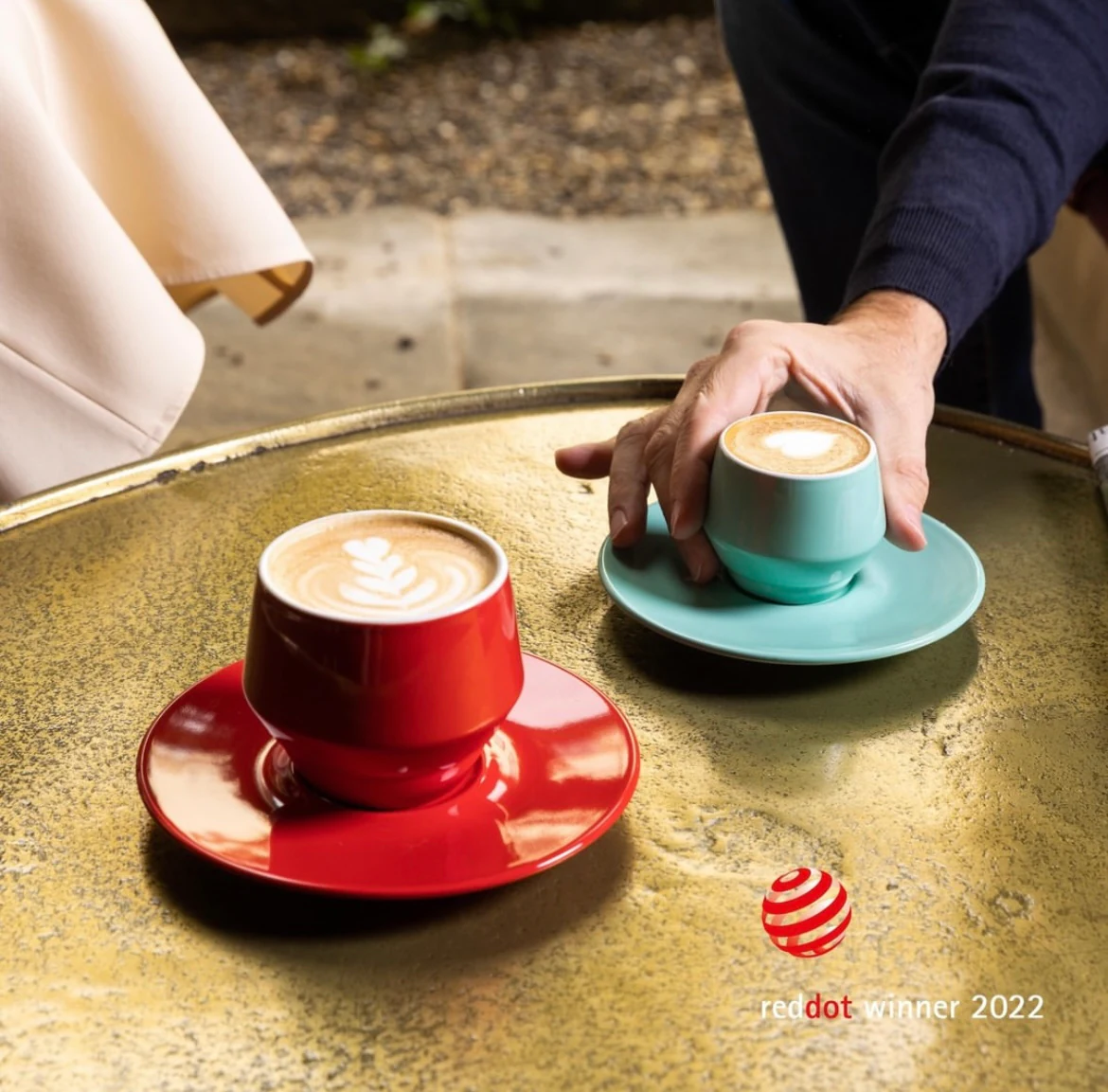
The MANIKO reference in the company profile illustrates special-structure coffee development. Such projects connect the outside silhouette with the construction and the way the cup is handled.
Share section drawings or a clear functional brief where available. The manufacturing review must consider both the visible shape and the less visible structural details.

02 / MANUFACTURING DETAIL
Sample the experience.
Measure the result.
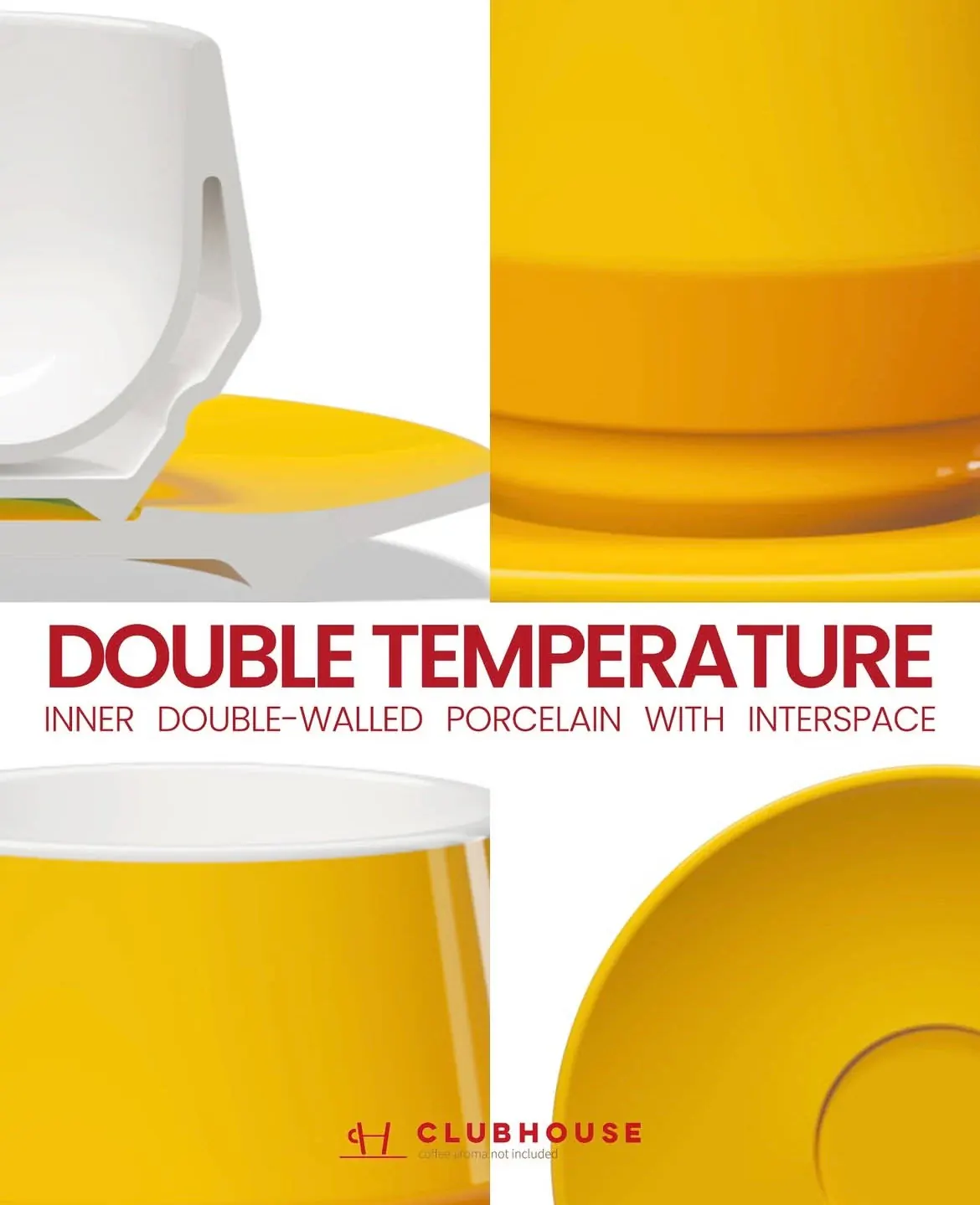
The feel of a special-structure cup cannot be judged from a rendering alone. Evaluate a physical sample for handling, drinking and the performance characteristics relevant to its intended use.
Do not assume an insulation value or microwave suitability from the appearance of a double wall. Claims need to be based on the exact product and applicable test results.
BUYER’S WORKING CHECKLIST
A brief with fewer unknowns.
| Decision | What to define | Why it matters |
|---|---|---|
| Construction | Section drawing and structural concept | Makes the proposed design technically reviewable. |
| Volume | Usable capacity and overall dimensions | Connects the structure with the beverage size. |
| Handling | Grip, surface temperature and intended use | Defines what the sample should demonstrate. |
| Finish | Interior and exterior glaze requirements | Identifies the surfaces that need approval. |
| Claims | Specific performance statements and test scope | Avoids unsupported assumptions about the structure. |
FROM REVIEW TO RELEASE
A clear route to approval.
01
Define the family
List the required forms, variants, quantities and use conditions.
02
Develop the sample
Review dimensions, structure, finish and decoration on a physical product.
03
Confirm acceptance
Agree the reference sample, test scope and packing configuration.
04
Plan production
Review the order mix, release requirements and production schedule.
03 / BEFORE THE FIRST ORDER
Approve the assortment.
Plan each release.
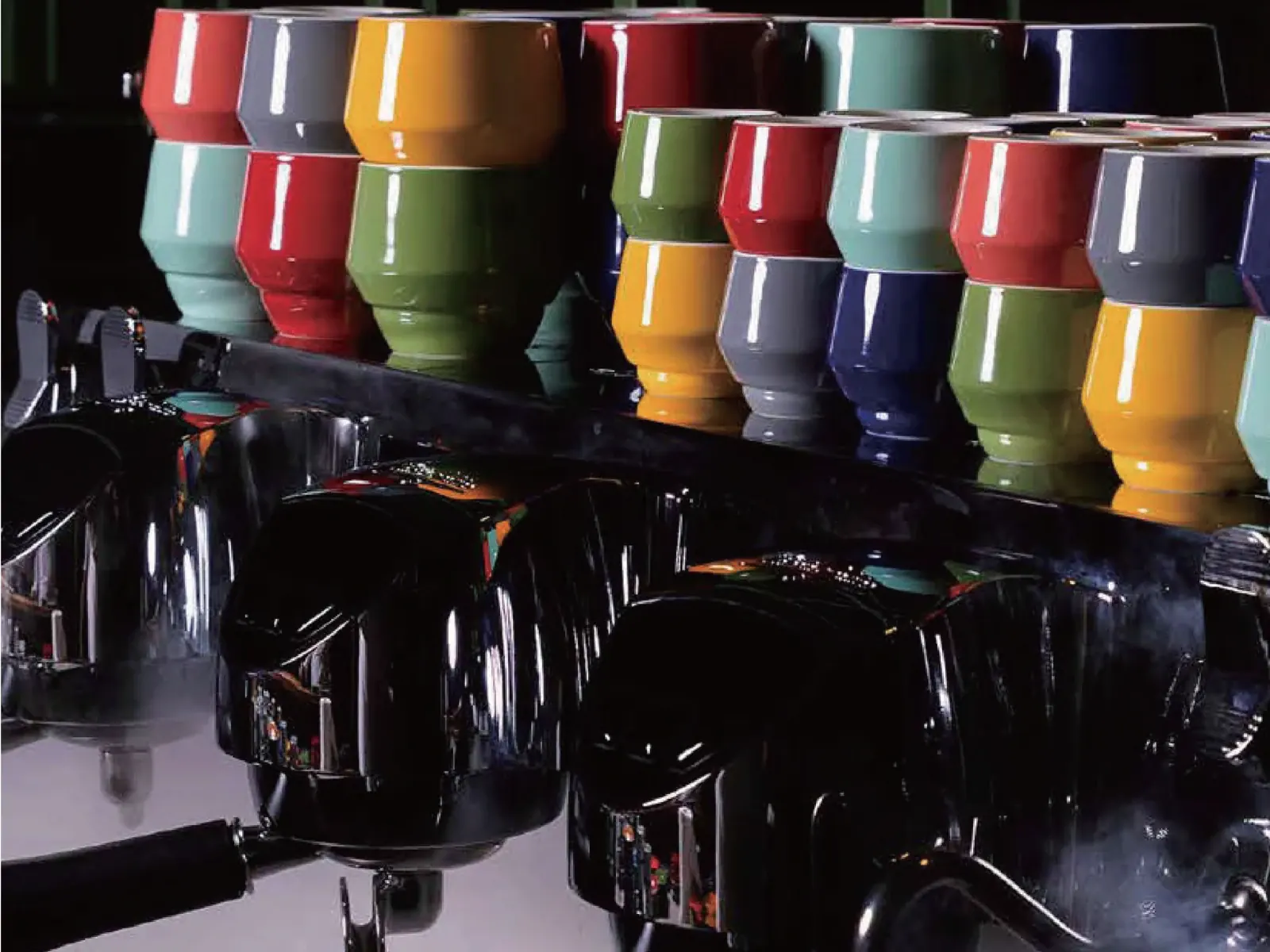
Define the approved form, glaze and quantity for each variant. A coordinated coffee collection needs clear SKU references and a release plan that matches the intended service range.
Share your destination market, required arrival window and any retailer or distribution requirements early. The quotation and schedule should reflect the complete scope.
PROCUREMENT QUESTIONS
The details worth asking.
Does a double wall guarantee a cool exterior?
No guarantee is made from construction alone. Surface temperature depends on the design and use conditions and should be evaluated through the relevant test.
Can we develop a proprietary structure?
Send the concept, dimensions and functional goals. Feasibility, tooling, design rights and development terms should be reviewed for that project.
Can the MANIKO design be supplied under our brand?
The portfolio reference demonstrates collaboration experience. Design availability and usage rights must be confirmed separately; no reproduction rights are implied.
What should we send for a quotation?
Include the drawings or reference images, dimensions, target quantities, finish, packaging and intended market. Add the target launch date and any required test or inspection scope.
CONTINUE YOUR EVALUATION
Build the complete picture.
01
Manufacturing
Understand the production route and where consistency is controlled.
Explore manufacturing
03
Sampling & tooling
Resolve product details before production commitment.
Explore sampling & tooling
LET’S BUILD YOUR NEXT PROGRAM
A clearer brief.
A better starting point.
Send your design files, estimated quantities and target market. We will use your brief to define the development and production scope.