PORCELAIN MANUFACTURING
Scale begins
with a stable process.
Follow the manufacturing route behind repeat porcelain programs: preparation, forming, glazing, firing, decoration and inspection.
WHAT YOUR BUYING TEAM NEEDS TO KNOW
From process capacity
to production confidence.
01
Forming route
Product shape and geometry guide the forming approach. Automated rolling and specialist casting are part of the manufacturing processes documented in the profile.
02
Process control
Connect each operation with a defined product standard, including body preparation, rim finishing, component assembly and surface quality.
03
Order continuity
Discuss the SKU mix, release schedule and reference sample history so production planning reflects the full program.
01 / FORMING & ASSEMBLY
Automation meets
product-specific work.
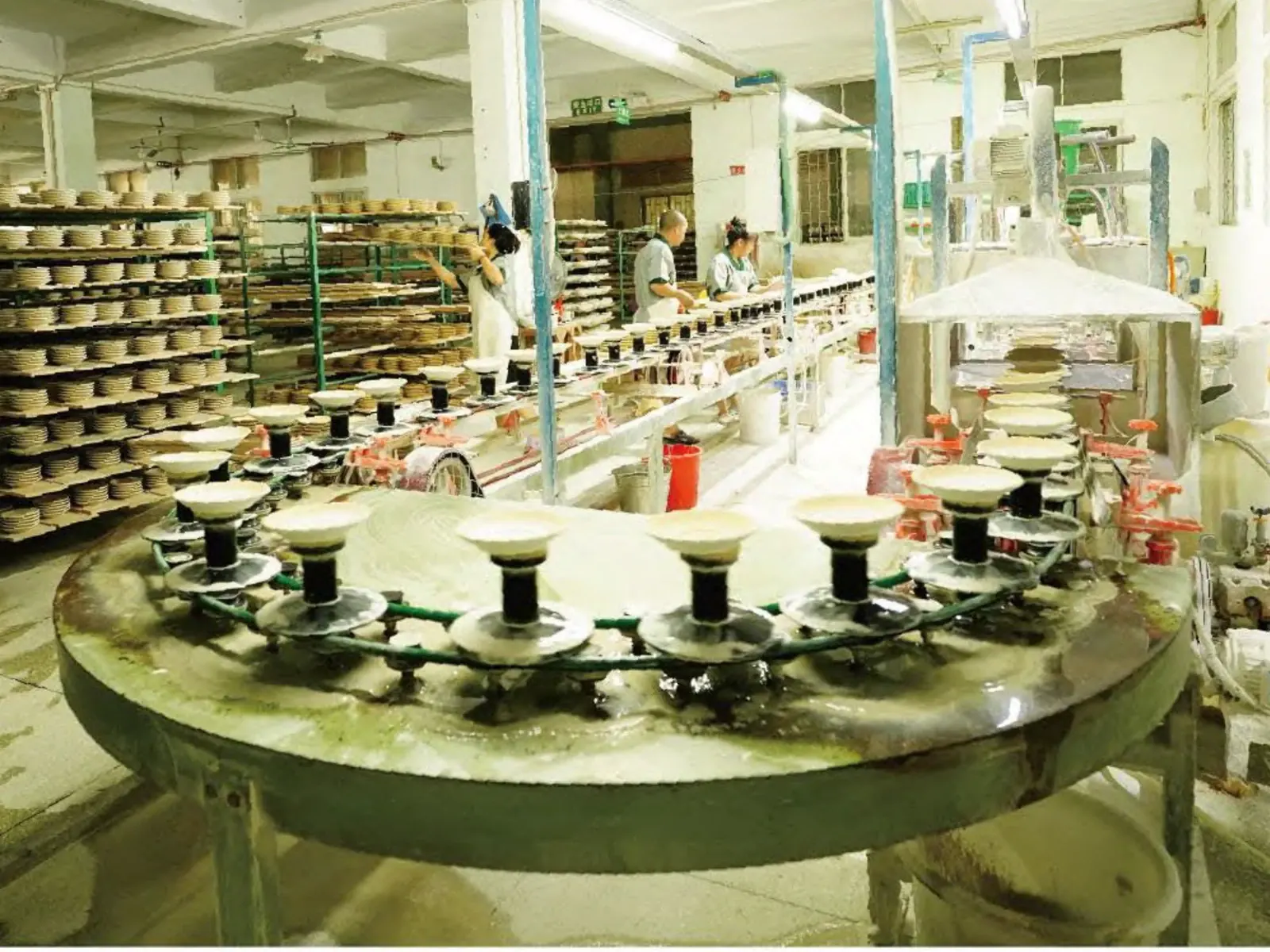
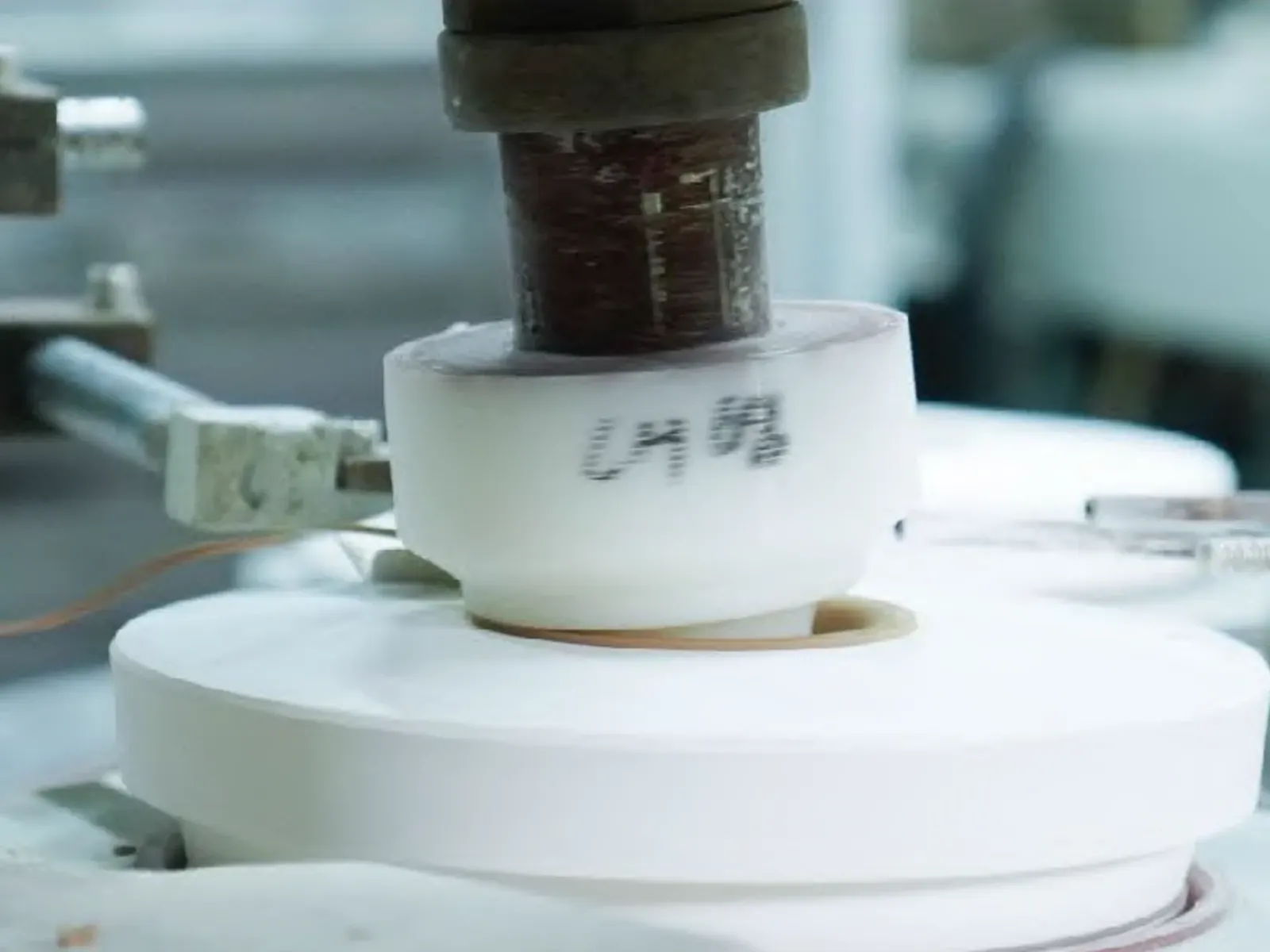
The factory profile documents automated rolling, demoulding, trimming and handle assembly alongside casting. Selecting a route depends on the intended form and the details that must survive production.
Buyers should identify critical dimensions and visible surfaces early. A sculpted mug and a classic café cup will not share exactly the same forming and finishing priorities.
02 / FIRING & FINISHING
A connected route
through heat and finish.
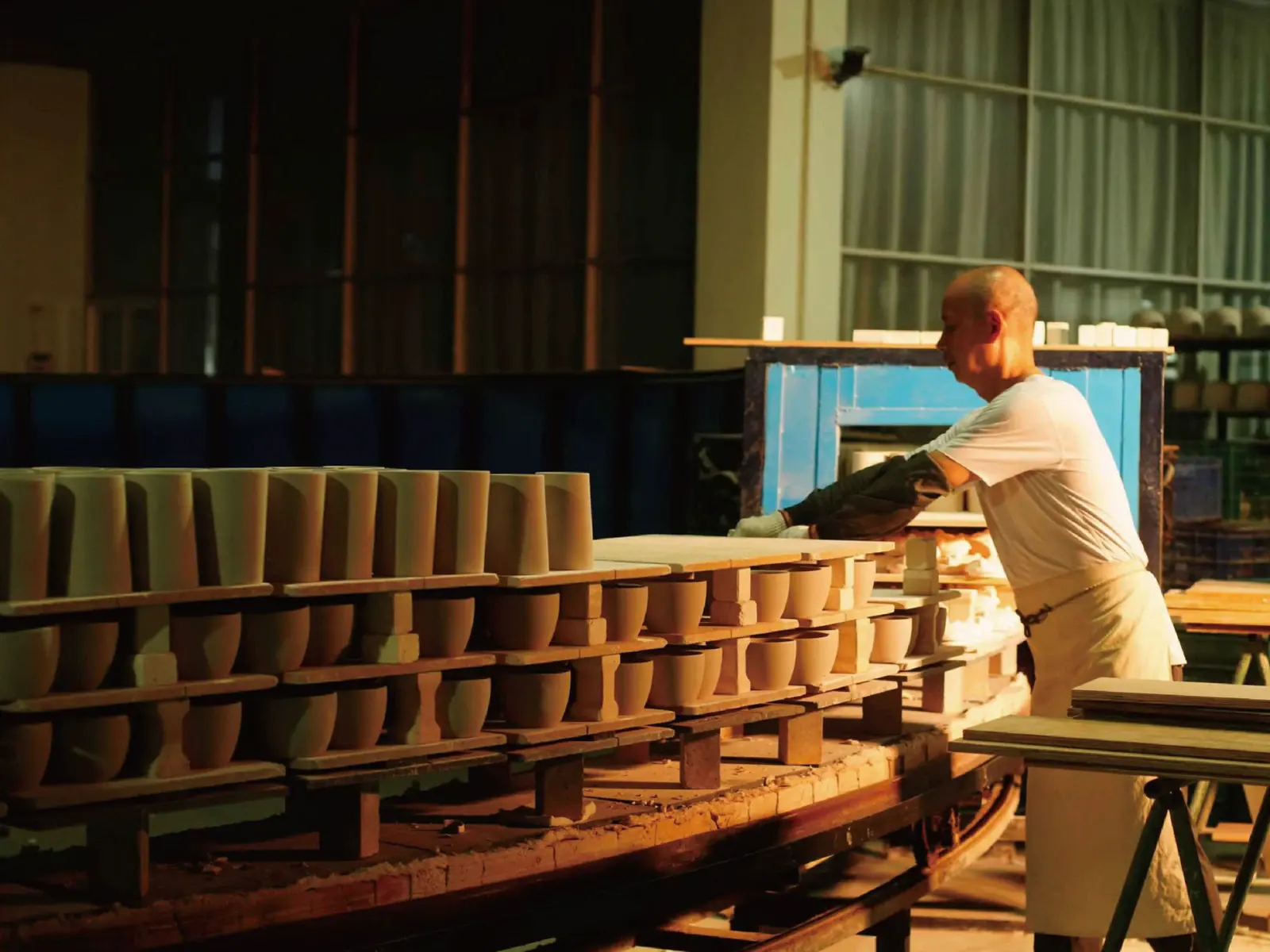
Biscuit firing, glazing and glaze firing are followed by inspection and the relevant decoration processes. The approved body and finish need to work together, particularly on complex relief surfaces.
Ask the team to map your product’s route, including white-body inspection, decoration firing and final review. That map helps locate the points at which defects can be detected.
BUYER’S WORKING CHECKLIST
A brief with fewer unknowns.
| Decision | What to define | Why it matters |
|---|---|---|
| Product mix | Shape, size, handle and decorative variants | Different variants can require separate tooling and approvals. |
| Reference standard | Physical sample and controlled specification | Keeps visual and dimensional expectations aligned. |
| Batch plan | Order splits, recurring quantities and destination mix | Supports a realistic production review. |
| Decoration | Artwork revision, placement and color references | Reduces ambiguity at finishing stages. |
| Release | Final inspection, labels and packing approval | Defines the conditions for shipment preparation. |
FROM REVIEW TO RELEASE
A clear route to approval.
01
Prepare
Review clay, mold, glaze and decal requirements; evaluate a pilot where appropriate.
02
Form & finish
Form the body, assemble components and complete rim and surface finishing.
03
Fire & decorate
Apply the agreed glazing and decoration route, with the relevant firing stages.
04
Inspect & pack
Review the finished product and packing against the order requirements.
03 / WORKSHOP EVIDENCE
Manufacturing you
can evaluate.
The 2024 profile shows the factory equipment and the hands-on operations around it. Automated capacity and skilled finishing are both part of the manufacturing story.
For supplier qualification, request a current factory review and discuss the equipment and process route relevant to the product you plan to buy.
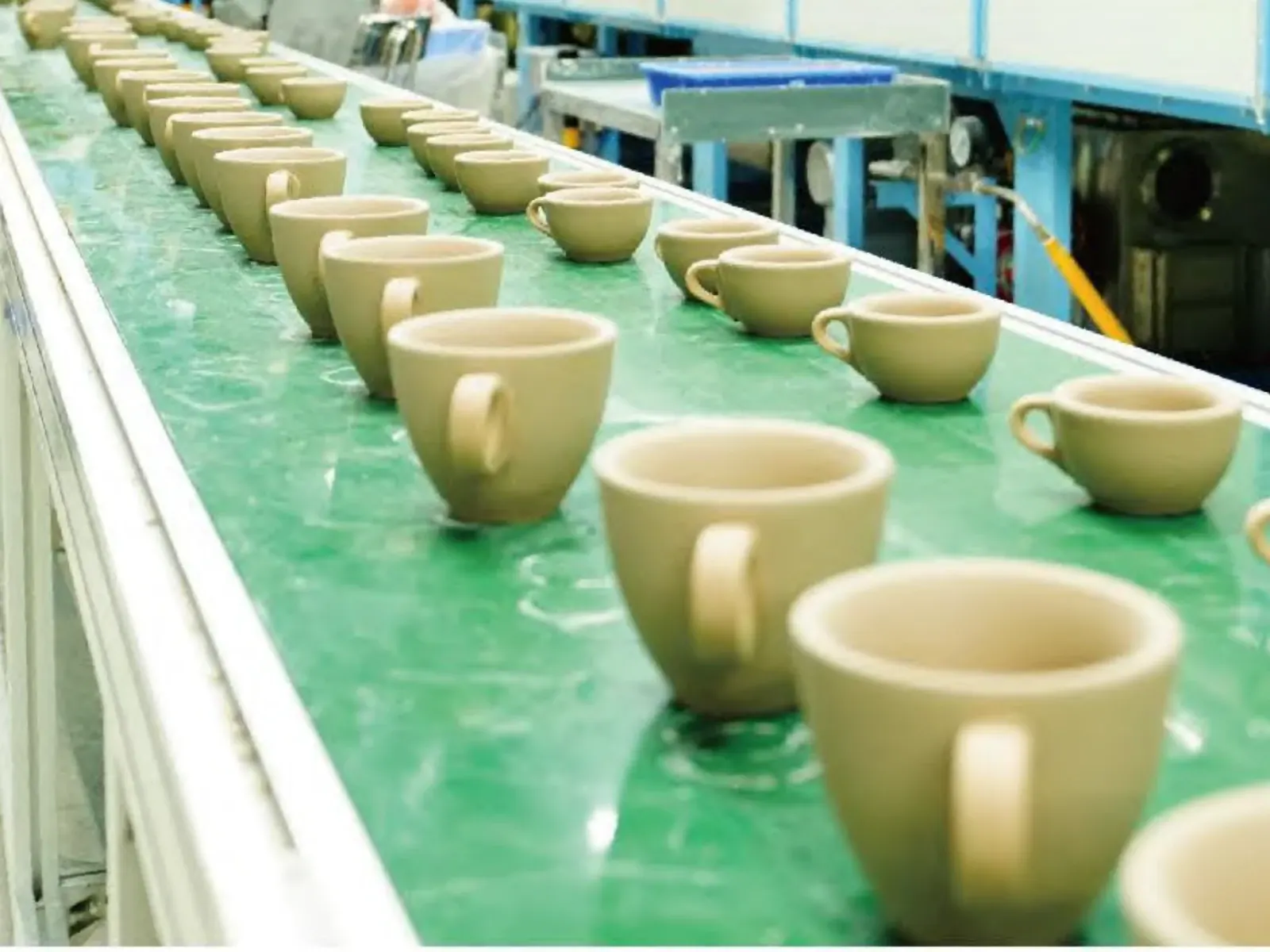
FACTORY CLOSE-UPS
The operations behind the finish.
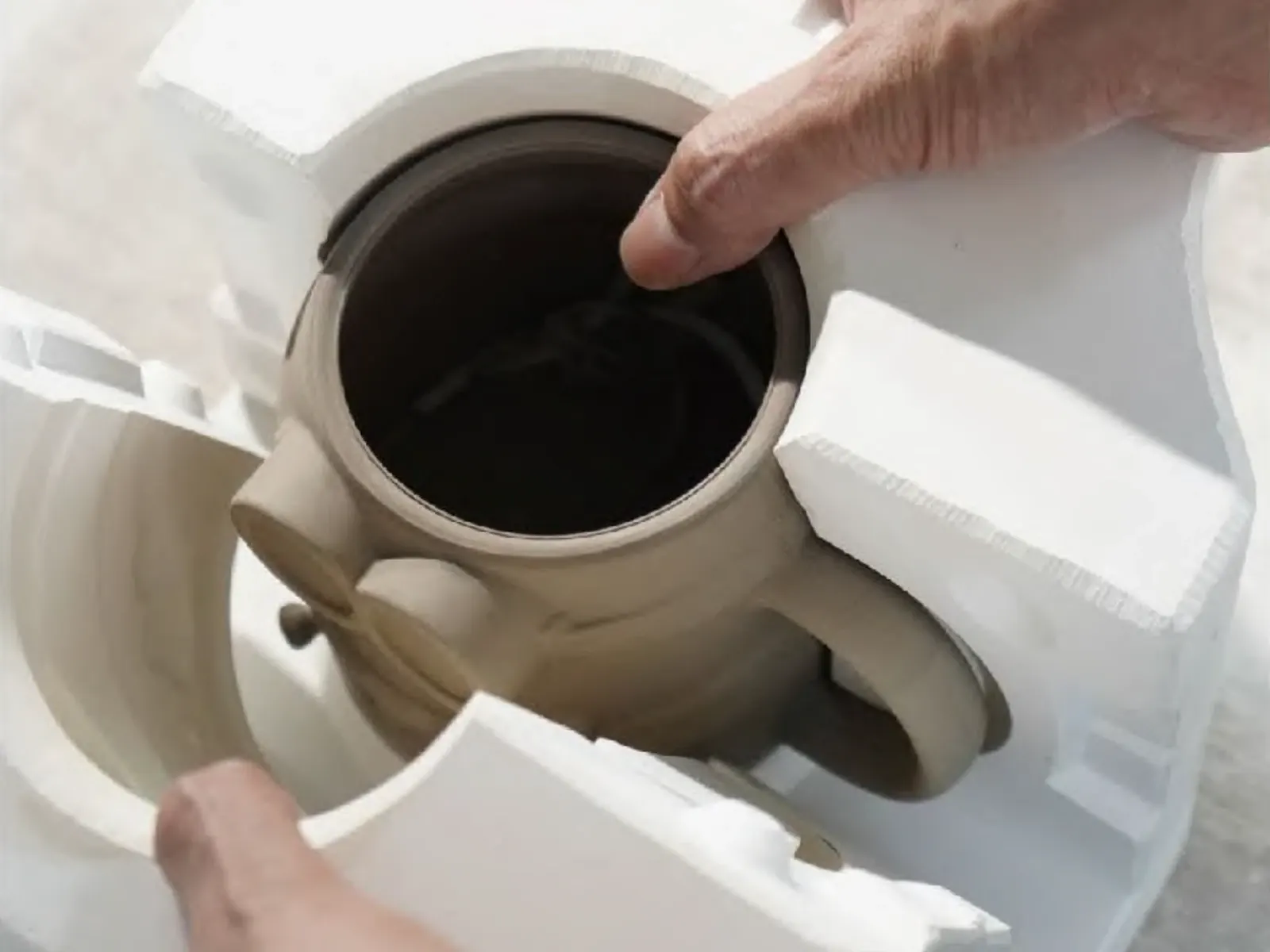
Forming the body
Casting and mold work are part of the product-specific forming route documented in the factory profile.
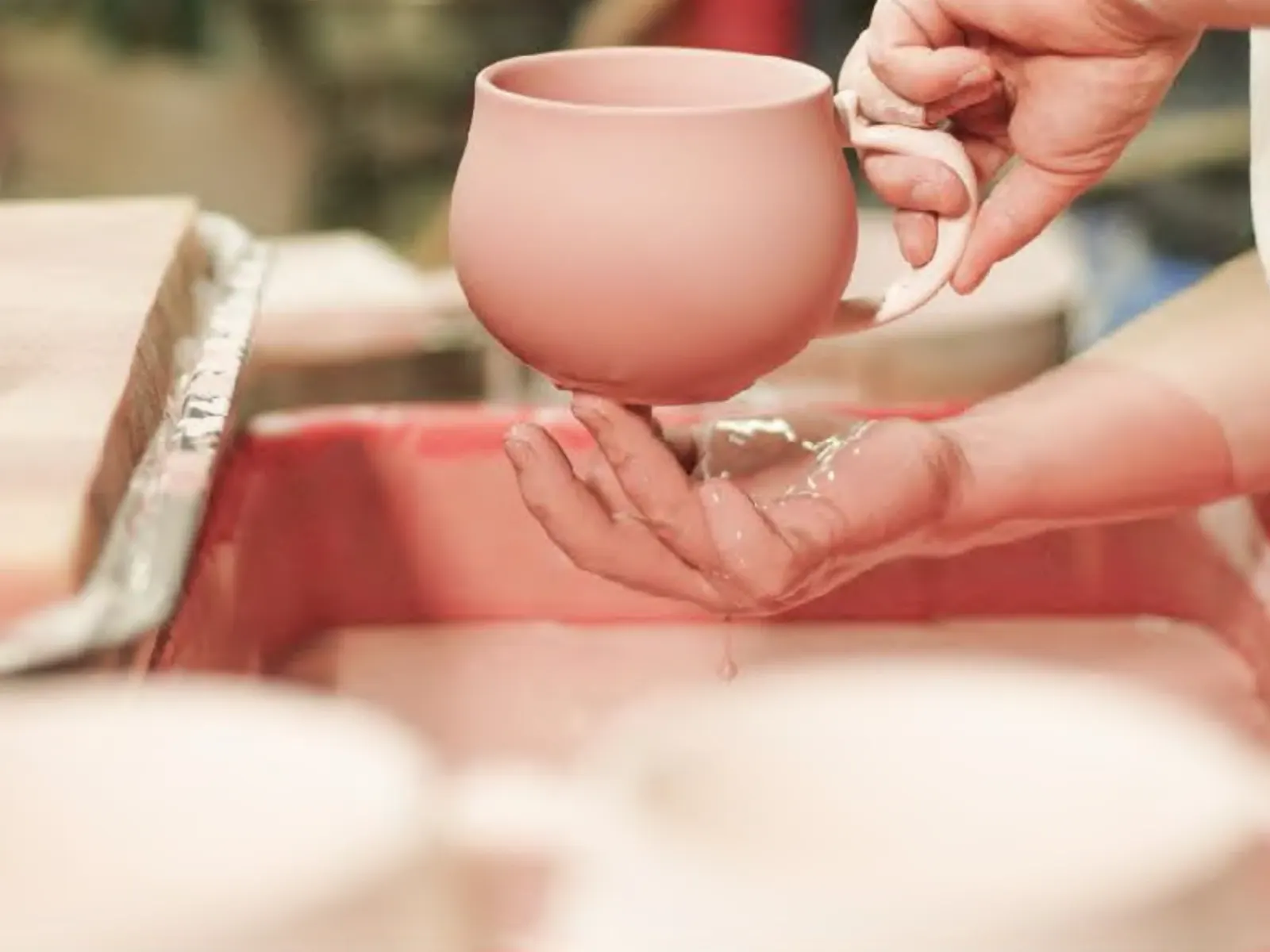
Applying the glaze
Glazing brings the surface specification into production. The approved product defines the required appearance.
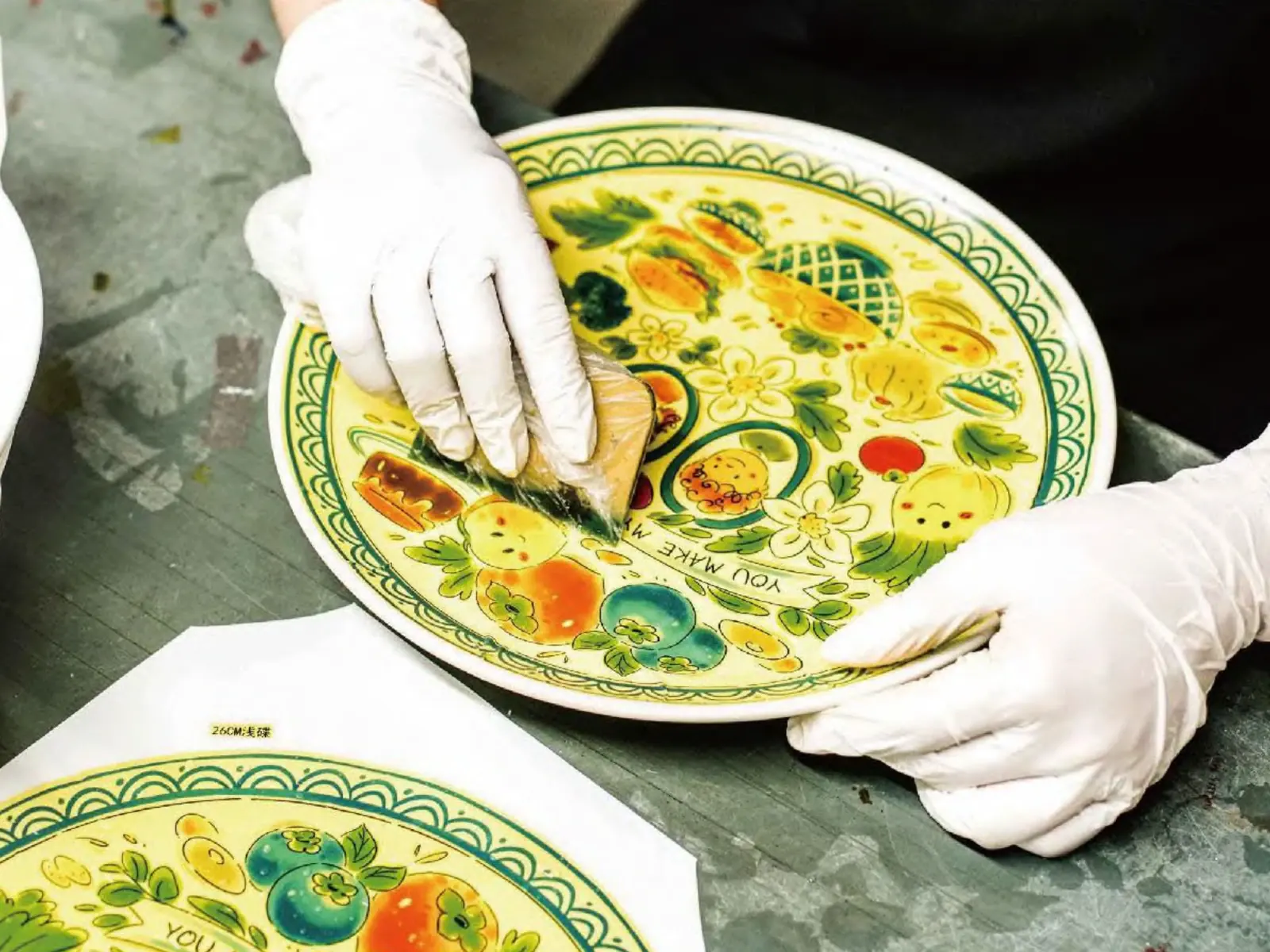
Positioning the artwork
Decal application connects approved artwork with the actual porcelain surface and its geometry.
PROCUREMENT QUESTIONS
The details worth asking.
Is every product fully automated?
No. The route depends on shape, components and decoration. Automated production is combined with specialist operations when the design requires them.
How are repeat orders controlled?
Agree which sample, specification and artwork revision govern repeat supply. Confirm any requested material, finish or packaging changes before a new release.
What lead time should we plan?
Tooling, sample approvals, quantities, finish complexity and the production calendar affect timing. Send the launch date and required arrival window for a project schedule.
Can we review production before ordering?
Ask the team about a factory review and the documents relevant to your program. The scope can cover the product route, inspection points and packing process.
CONTINUE YOUR EVALUATION
Build the complete picture.
01
Manufacturing
Understand the production route and where consistency is controlled.
Explore manufacturing
03
Sampling & tooling
Resolve product details before production commitment.
Explore sampling & tooling
LET’S BUILD YOUR NEXT PROGRAM
A clearer brief.
A better starting point.
Send your design files, estimated quantities and target market. We will use your brief to define the development and production scope.