FACTORY RESOURCE MANAGEMENT
Better decisions
start with evidence.
Explore the factory resource initiatives documented in the 2024 profile, then request current information for your supplier assessment.
WHAT YOUR BUYING TEAM NEEDS TO KNOW
Resources, records
and relevant evidence.
01
Energy initiatives
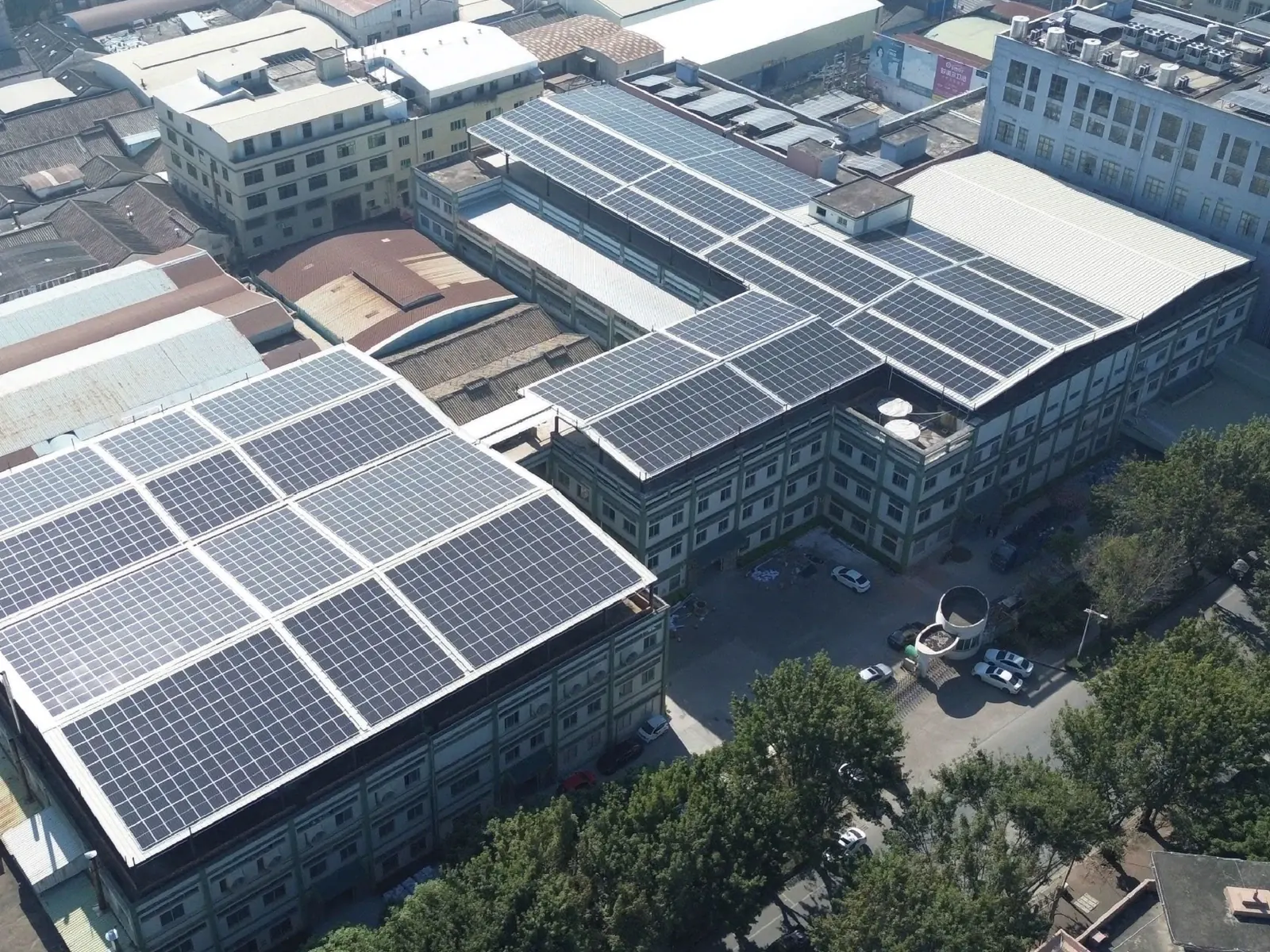
The profile documents rooftop solar installation at the factory. Current operating data should be requested for a present-day assessment.
02
Water circulation
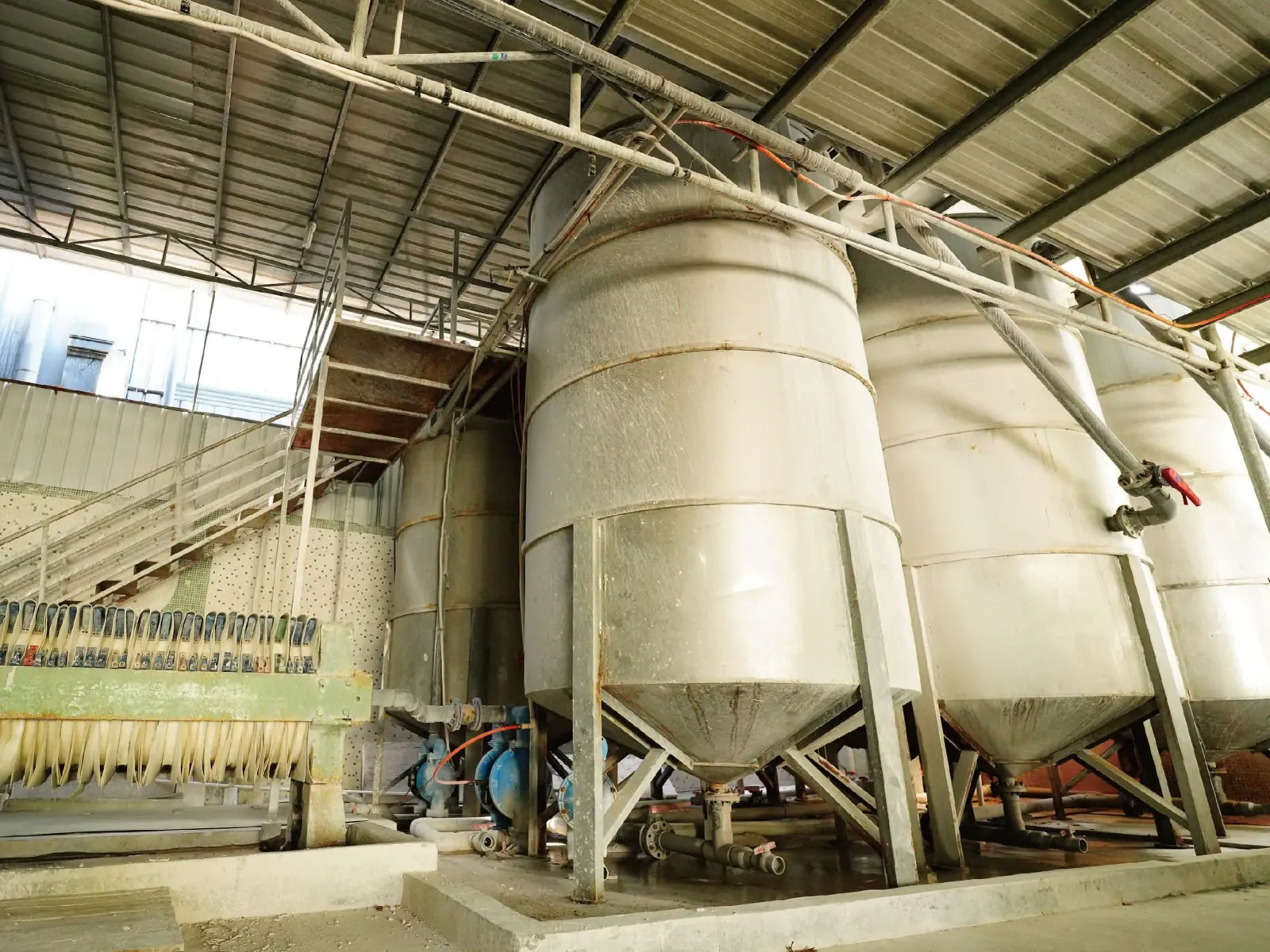
Workshop wastewater filtration and circulation are shown as part of the factory’s resource management measures.
03
Project decisions
Packaging, product durability and purchasing specifications are additional topics to review for your own program.
01 / ROOFTOP SOLAR
A visible investment
at the factory.
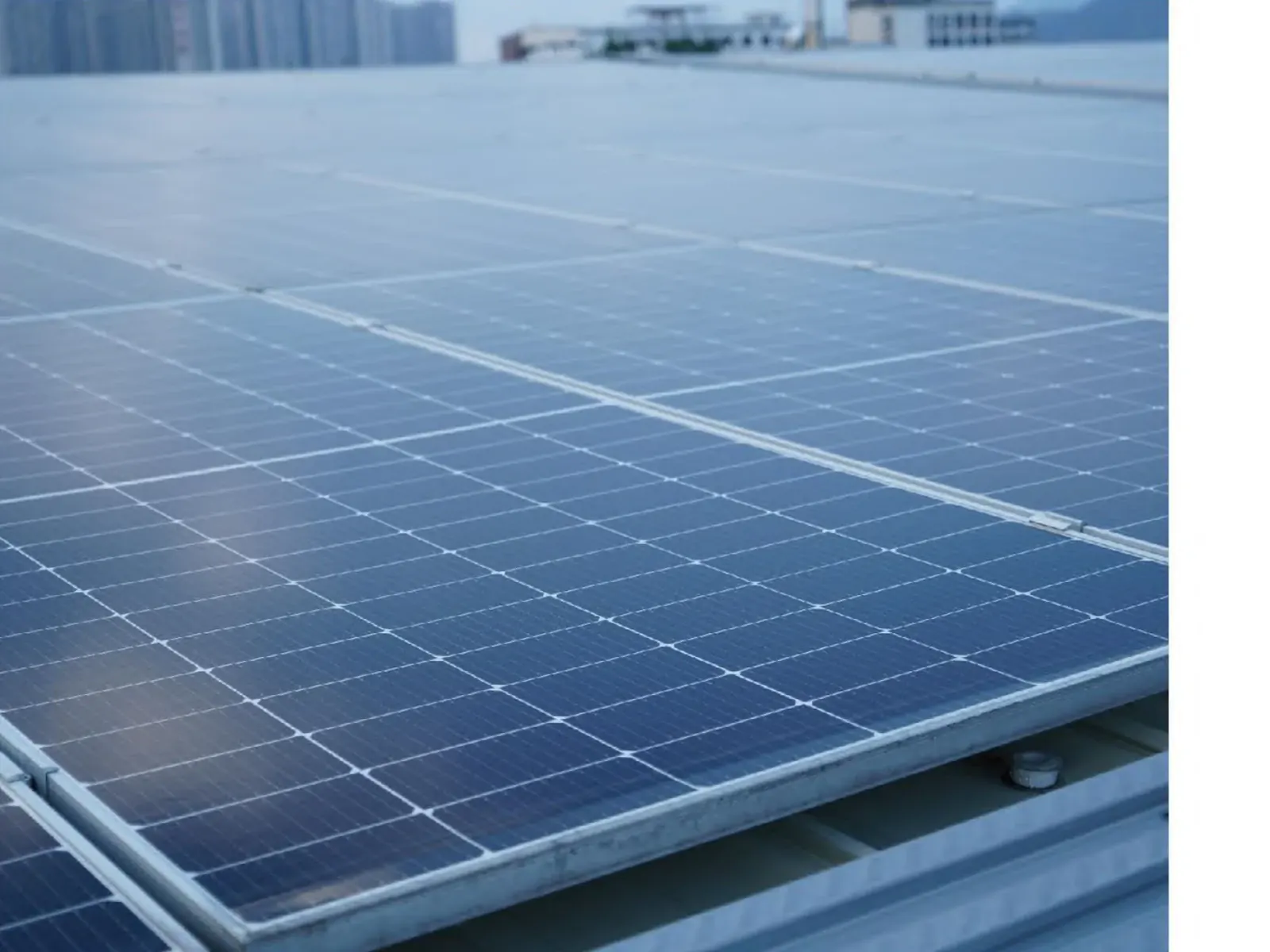
The factory photographs show rooftop solar panels and related equipment. They provide evidence of the installation documented in the company profile.
For a quantified energy assessment, request the current reporting period, measurement basis and relevant operational data. The website does not infer a carbon footprint from the presence of solar panels.
02 / WATER SYSTEMS
Filtration and circulation
within the workshop.
The profile describes workshop wastewater treatment and water circulation. The photographs document the equipment associated with that initiative.
Ask for the current system scope and records required by your supplier policy. Historical profile statements should be checked before they are used in your own sustainability reporting.
BUYER’S WORKING CHECKLIST
A brief with fewer unknowns.
| Decision | What to define | Why it matters |
|---|---|---|
| Reporting period | Dates covered by operational information | Prevents historical data being treated as current. |
| Boundary | Facility, process and resource measured | Makes the scope of a claim clear. |
| Evidence | Method, records and review responsibility | Supports a traceable supplier assessment. |
| Packaging | Protection needs and material preferences | Balances product protection with the brief. |
| Product life | Use requirements and relevant performance tests | Connects durability goals with product evaluation. |
FROM REVIEW TO RELEASE
A clear route to approval.
01
Define
Send your supplier environmental questionnaire or reporting needs.
02
Identify
Match each question with the relevant factory information.
03
Review
Check dates, scope and measurement assumptions.
04
Apply
Use only the supported information in your procurement decision.
03 / MATERIAL RECOVERY
Look closely at
material recovery.
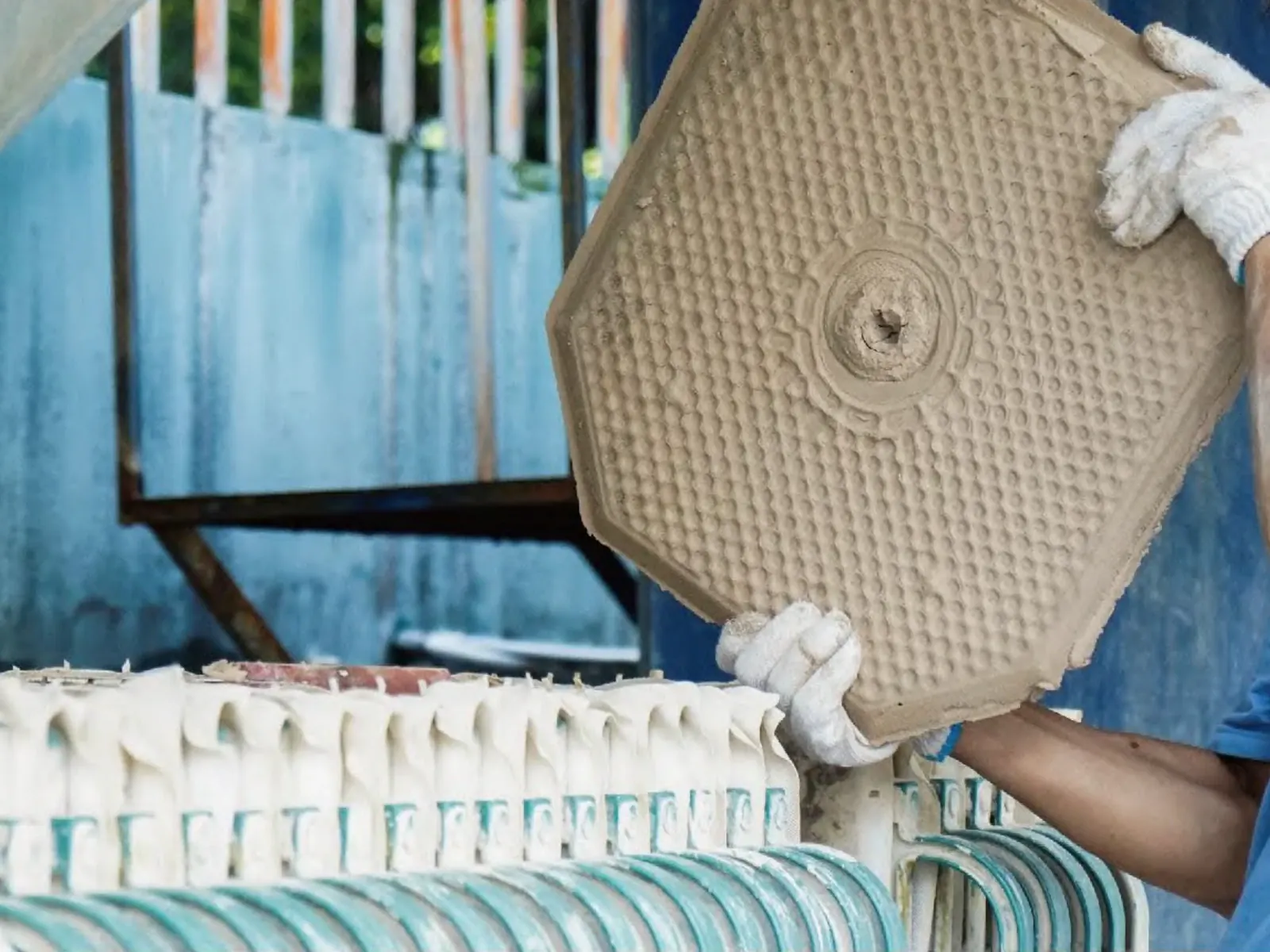
The company profile documents material recovery within the ceramic production process. Ask how recovery is managed for the relevant process and what evidence can support your specific sourcing requirements.
Avoid broad environmental claims for a new product until the relevant materials, manufacturing information and evidence have been reviewed.
PROCUREMENT QUESTIONS
The details worth asking.
Is every product carbon neutral?
No such claim is made. Any product-level carbon claim requires a defined assessment and supporting evidence.
Can we request current resource data?
Yes. Specify the reporting period, facility boundary and metrics your supplier assessment requires.
Do solar panels establish renewable-only production?
No. An installation photograph does not establish the factory’s full energy mix. Request current operational information for that question.
Can packaging be adapted to our requirements?
Discuss material preferences, retail presentation and protection needs with the project team. The final packing solution should be assessed for the product and delivery route.
CONTINUE YOUR EVALUATION
Build the complete picture.
03
Manufacturing
Understand the production route and where consistency is controlled.
Explore manufacturing
LET’S BUILD YOUR NEXT PROGRAM
A clearer brief.
A better starting point.
Send your design files, estimated quantities and target market. We will use your brief to define the development and production scope.